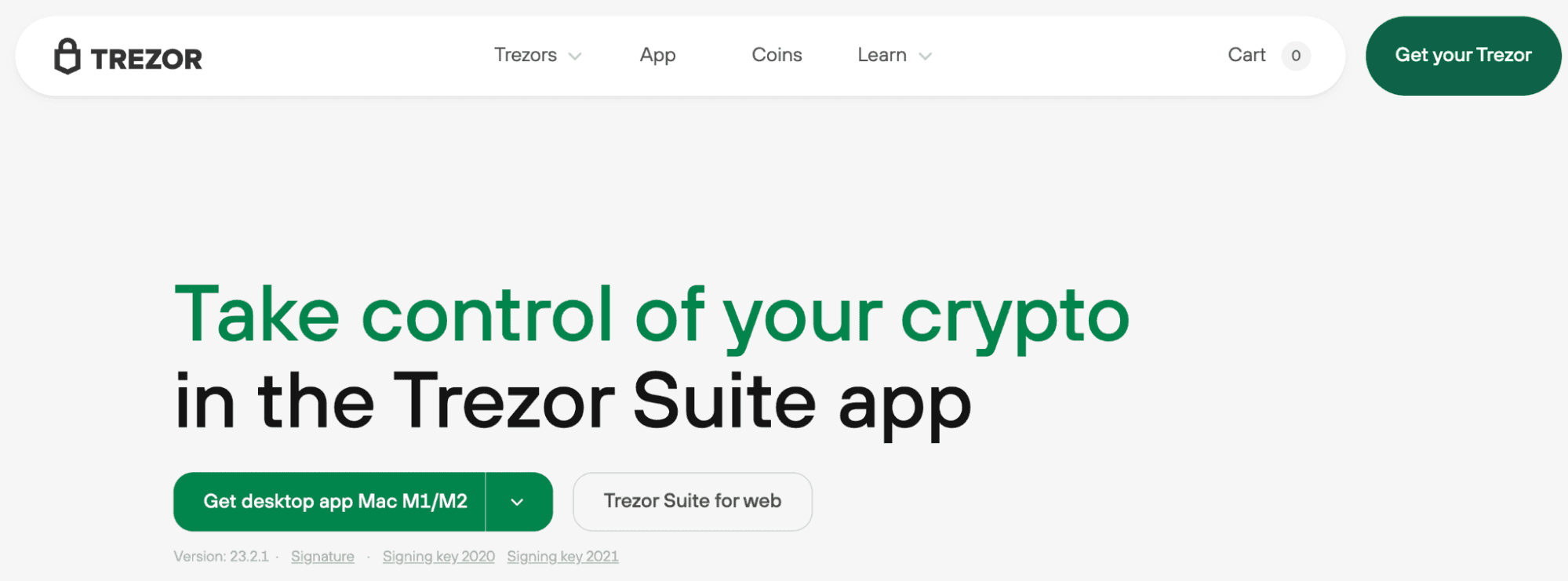
Trezor.io/Start
When you buy a new Trezor hardware wallet, the very first place you should go is trezor.io/start. This is the official setup page created by Trezor to guide users through installing the software, initializing the device, and creating the recovery seed that protects your crypto. Because hardware wallets deal with valuable digital assets, beginning the setup process correctly is essential. This guide gives you a clear, easy-to-read explanation of what you will find at trezor.io/start and what each step means, so you know exactly what to expect before you begin.
Why Trezor Uses Trezor.io/Start
A hardware wallet stores the private keys to your cryptocurrency offline, away from hackers, malware, or accidental exposure. But the benefits of owning a hardware wallet only work when the device is set up securely from the start. Trezor created the trezor.io/start page to make sure every user follows the correct and safest path, using the official software and the proper steps for initialization.
Many online scams try to imitate crypto setup pages, so going directly to the official link is important. Always type trezor.io/start into your browser manually instead of relying on search results, advertisements, or links from strangers.
Step 1: Choose Your Trezor Model
Once you reach the setup page, you will select your device type. Trezor currently offers two models:
Trezor Model One – the entry-level hardware wallet
Trezor Model T – the advanced model with a touchscreen
Each device has a similar setup flow, although the Model T includes additional on-screen instructions because of its display. After you choose your model, the page redirects you to the correct setup instructions.
Step 2: Download Trezor Suite
The next step is downloading Trezor Suite, which is the official desktop application used to control and manage your Trezor wallet. Suite is available for Windows, macOS, and Linux. The software allows you to:
View your crypto balances
Add accounts for different coins
Send and receive funds
Install firmware and security updates
Adjust device settings
Verify addresses before sending
Trezor Suite is designed to work hand-in-hand with the hardware wallet, ensuring your private keys always stay inside the device and never touch your computer.
When downloading Suite, make sure the file comes directly from the official website. Never download wallet software from search engines, forums, or file-sharing sites.
Step 3: Connect the Device
After Trezor Suite is installed, you will be asked to plug in your hardware wallet using the USB cable included with your device. When Trezor Suite detects your wallet, it automatically checks whether the firmware is installed.
If your device is brand new, the firmware might not be loaded yet. The software will guide you through installing the latest official firmware. This is a normal step. Do not install firmware from anywhere other than Trezor Suite.
Firmware updates include important security improvements and new features, so keeping it updated is essential.
Step 4: Create Your Recovery Seed
This is the most important part of the entire setup.
Your Trezor will generate a recovery seed — a series of 12, 18, or 24 words shown only on the device screen.
These words act as the master backup to your wallet. If your Trezor is ever lost, damaged, or stolen, your funds can be restored on a new device using this seed. Anyone who gets these words can access your crypto, so they must be protected carefully.
Here are the rules you should always follow:
Write the words down on paper or a metal backup plate
Do not save them on a phone or computer
Do not take a photo
Do not type them into any website or app
Do not share them with anyone
Trezor will never ask for your recovery seed outside of recovery mode. After you write the seed down, your device may ask you to confirm the words to ensure they were copied correctly.
Step 5: Set Up Your PIN
Your PIN is the security code that unlocks your Trezor each time you connect it. This prevents unauthorized people from using the device even if they physically have it. The PIN is entered through Trezor Suite but confirmed on the device to avoid exposure to malware. Choose a PIN that is long enough to be secure but easy for you to remember.
Step 6: Add Cryptocurrency Accounts
Once your wallet is set up, you can start adding accounts inside Trezor Suite. Each account represents one type of cryptocurrency. For example, you can add Bitcoin, Ethereum, Litecoin, and many others depending on support.
When receiving crypto, Trezor Suite shows you a receiving address, and the device screen displays the same address for verification. This prevents malicious software from switching the address. When sending crypto, the device also asks you to confirm the transaction details so nothing can be changed without your approval.
Step 7: Maintain Good Security Practices
To keep your crypto safe long-term, follow these habits:
Keep your recovery seed stored offline in a secure location
Never reveal the seed to anyone claiming to be support
Keep your firmware updated through Trezor Suite
Only use official Trezor websites and apps
Avoid connecting your device on public or shared computers
Hardware wallets give you strong protection, but good habits help keep that protection strong.
Final Thoughts
Trezor.io/start is the official and safest place to begin using your Trezor hardware wallet. By following the guided steps—downloading Trezor Suite, installing firmware, creating your recovery seed, setting a secure PIN, and adding your crypto accounts—you ensure your digital assets are protected from day one. With careful handling of your recovery seed and consistent security practices, your Trezor wallet becomes one of the most secure ways to store cryptocurrency.